

Programs and permitting
Forms and permits for livestock
Services

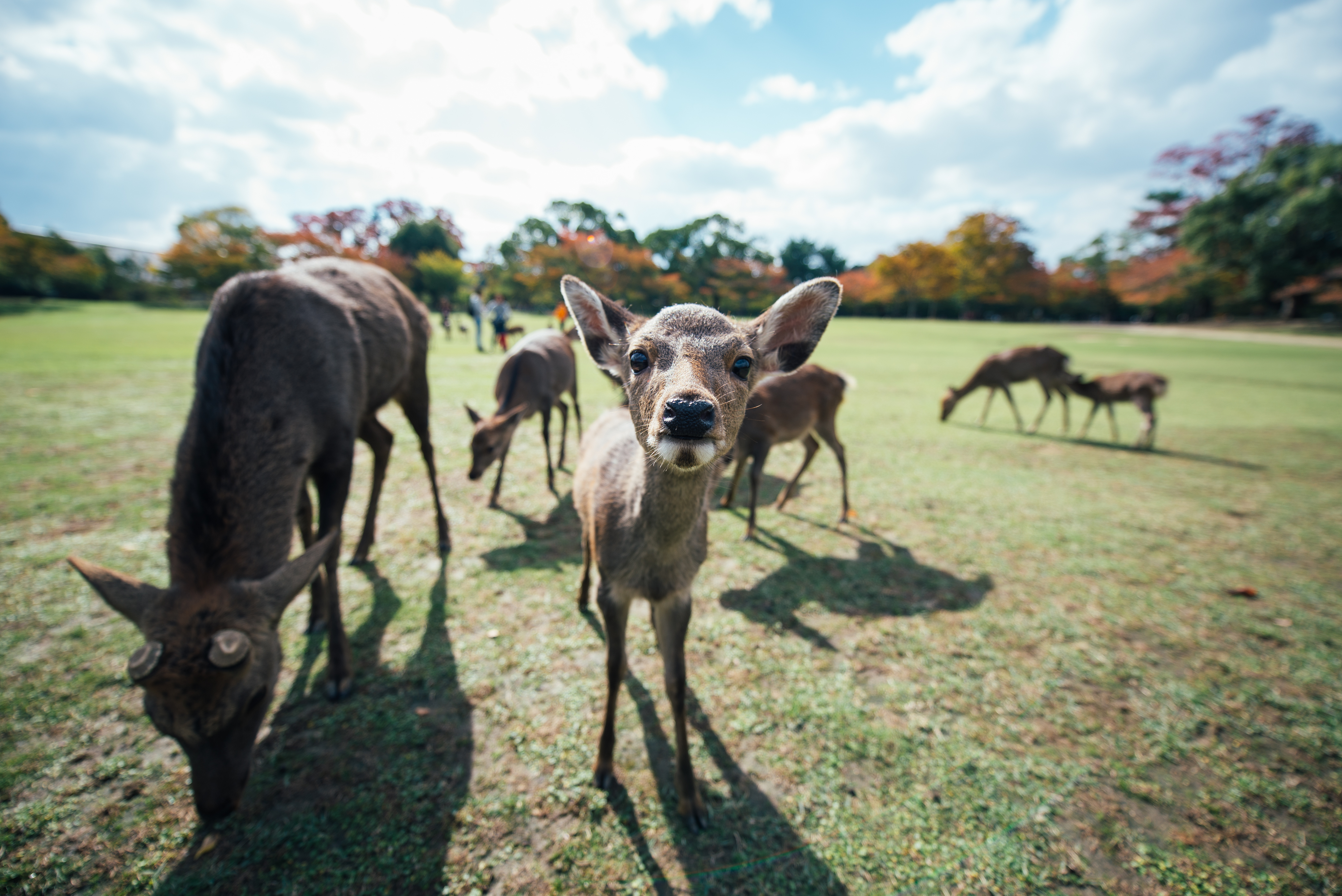
Any person who keeps, breeds, raises, contains, harvests, kills, slaughters, buys, sells, trades, or transfers ownership of any type of farm-raised alternative livestock in the state of Louisiana shall obtain a farm-raising license from the department prior to engaging in such activities. Species considered alternative livestock under this license include any imported or domestically raised exotic deer, antelope, elk or farm-raised whitetail deer.
Rules and Laws
Forms
Related links
Contact info
The Migratory Bird Depredation Permit is a Federal permit, and all Louisiana landowners, farmers, ranchers and livestock producers applying for and receiving approval of a LDAF-AHFS Black Vulture Depredation Sub-Permit will be required to follow ALL USFWS Migratory Bird Depredation Permit authorizations and conditions. Failure to do so could result in Federal citations and fines. LDAF-AHFS will not represent a sub-permit holder during any investigation or proceeding initiated by the USFWS or other law enforcement agency
Black Vulture Depredation Sub-Permit notification, application and approval process
All applicants for a Louisiana Department of Agriculture and Forestry’s (LDAF) depredation sub-permit must agree to the requirements found in the “Authorizations and Conditions” tab above. These authorizations and conditions are part of the statewide permit issued to LDAF by the U.S. Fish and Wildlife Service. LDAF cannot alter these provisions.
The total number of black vulture takes in Louisiana may not exceed 1,000 vultures. All approved applicants will be allowed to take up to five black vultures as long as the statewide take number has not been reached. Approved applicants must report each take within 48 hours. If 1,000 vultures are taken in the state, you will receive an email notifying you that no more vultures may be taken during the permit period. Approved applicants are not allowed to take any other migratory bird species. Even if an approved applicant does not take any birds, they must report to BlackVultureProgram@ldaf.state.la.us “no birds taken” no later than December 31st.
Helpful links
Difference between Black Vulture and Turkey Vulture
Contact info
Modern poultry enthusiasts and industry members use the National Poultry Improvement Plan (NPIP) to protect and improve flock health and to sell disease-free poultry nationwide. The Louisiana Department of Agriculture and Forestry (LDAF) uses the NPIP program to protect Louisiana’s poultry sector. Through the program, LDAF works with NPIP participants to test poultry for Salmonella pullorum , avian influenza, Mycoplasma gallisepticum , and Mycoplasma synoviae using tests and methods that meet or exceed NPIP program standards.
Benefits of NPIP participation
Monitors the health of your flock and provides certification through regular testing.
Promotes interstate movement and shipment of poultry.
Limits the likelihood of introduction of disease into your flock through continued purchasing of NPIP certified birds and enhanced biosecurity practices.
Participation enables you to sell birds to other NPIP members without additional testing.
The certification can be used as a promotional tool for your poultry business.
Fulfills many exhibition requirements at poultry shows. This is useful because states with NPIP Pullorum-Typhoid Clean status must receive negative test results for birds at shows and fairs in their state.
Program requirements
Call the LDAF Poultry Diagnostic Laboratory at (318) 927-3441.
At minimum, an annual flock and premises inspection and test for Salmonella pullorum . If AI clean certification is desired, testing is required every 6 months.
Keep records of poultry purchases using VS 9-3 forms (Report of Sales of Hatching Eggs, Chicks and Poults).
Submit electronic VS 9-3 forms to MBAH within seven days of poultry or hatching egg shipment or movement.
Contact info
A Premise ID (PIN) is a federal program that assigns a unique number to a specific geographic location where livestock animals are located .Premise ID numbers are used by animal health officials to help identify the location of an animal in the event of a disease outbreak or animal emergency.
To be registered, fill out the form below and email questions to vetreports@ldaf.state.la.us .
In Louisiana, Trichomoniasis is a reportable cattle disease. This means that this disease is regulated by LDAF and within 30 days of purchase, all bulls that must be tested and placed in an approved holding pen that has been inspected by LDAF personnel. If testing is not performed, the bull must be resold to slaughter at a USDA-approved livestock market. Please see the attached forms regarding application information and pen requirements to house a bull that has not been tested for trichomoniasis in the state of Louisiana.